
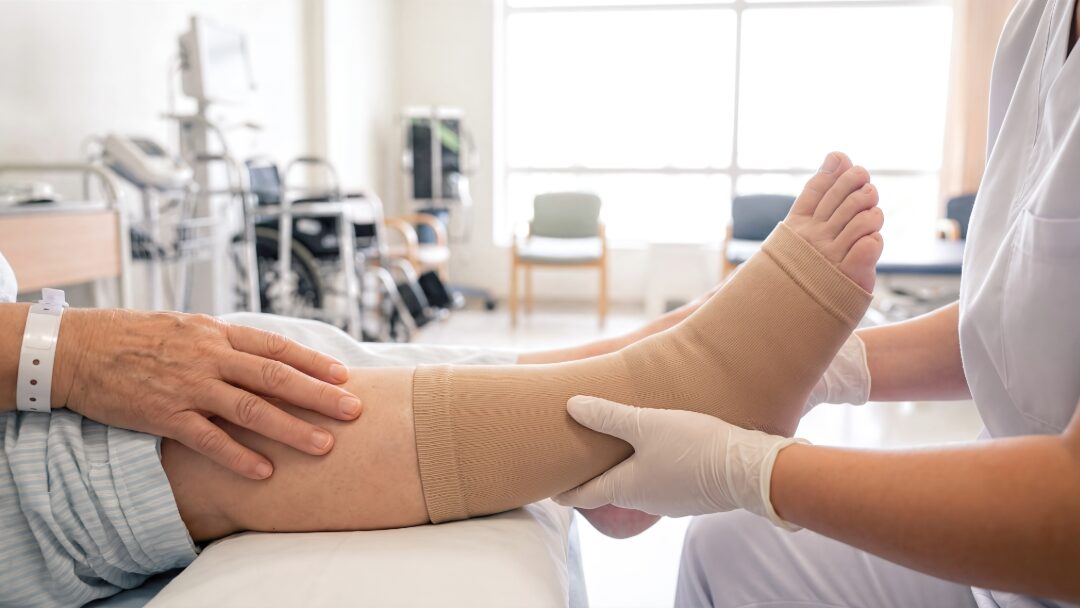
With the Lymphedema Treatment Act from 2024 now in effect, payer coverage for lymphedema treatment has expanded. While this is a positive development for patients, it also increases the risk of inadvertent billing errors and potentially inappropriate billing practices.
What to look for
Billing for lymphedema services is generally split between professional therapy services and compression supplies. Identifying specific codes is critical for spotting upcoding or unbundling.
Professional therapy services are performed by physical and occupational therapists during the active phase of treatment. The primary code, CPT 97140 (manual therapy), is a time-based code and requires direct, one-on-one patient contact. Review billing to make sure the provider isn’t always billing the same number of units for all patients and all dates of service. Other codes to consider are CPT 97110 (therapeutic exercises), which is used when teaching patient exercises to help pump lymph fluid. Additionally, CPT 97535 (self-care/home management), can be used for teaching patients how to properly apply bandages or using a compression pump at home.
Compression garments and supplies are billed using the HCPCS A-series codes. Each compression garment has different coverage limits. Monitoring the quantity of supplies billed can identify when those limits are exceeded. Claims exceeding limits without a change in the patient’s physical measurements or medical necessity are highly suspect. Medical record documentation should contain specific limb measurements.
While lymphedema is a chronic condition, “maintenance” is often not a billable skilled service. Watch for continued daily billing once the limb volume is stabilized. The services should then transition to home management, which is non-reimbursable as a skilled professional service.
HCFS Has You Covered
Combating excessive billing and coverage limits requires a multi-layered approach. Payers need to leverage advanced data analytics to identify suspicious billing patterns and inappropriate services. If you’re using the HCFSPlatform™, we’ve got you covered. Our Artificial Intelligence (AI) models can identify spikes and other anomalous billing patterns. We can also help identify outlier provider billing patterns and peer comparisons to potentially catch any inappropriate billing quickly. Some examples of our alerts include:
[2163-20] – UPCODING, DME, LYMPHEDEMA PUMPS (PEER COMPARISON)
[2163-30] – UPCODING, DME, LYMPHEDEMA PUMPS (INDIVIDUAL TIER)
[2489-01] – INAPPROPRIATE NUMBER OF SERVICES PER PATIENT, EXCESSIVE PHYSICAL/OCCUPATIONAL THERAPY
[2907-01] – SUPPORTING DIAGNOSIS MISSING, LYMPHEDEMA COMPRESSION TREATMENT
[2908-01] through [2908-05] – INAPPROPRIATE NUMBER OF ALLOWED UNITS, GRADIENT COMPRESSION WRAP AND NIGHTTIME GRADIENT COMPRESSION GARMENT
If you’re not using the HCFSPlatform™ and you’re interested in knowing more, email us at [email protected].
If you have questions or comments, you may email us at [email protected].
HCFS is solely dedicated to providing an efficient, user-friendly solution that incorporates Artificial Intelligence, Pre-pay, Post-pay, Querying, Case Management and Shared Analytics all in ONE integrated platform. Ask about AUDITPLUS – auditing, SVRS, record retrieval and more! Ask about our HCFS Services (record reviews, data mining, you name it!) Click here if you want to see a demo!